Bake Perfect PB Cookies: Stop Crumbly & Hard Bites with Our Tips
There are few treats as universally beloved and nostalgically comforting as a classic peanut butter cookie. Whether it’s the star of a school lunchbox or a welcome guest in the cookie jar, this sweet and salty delight holds a special place in our hearts. Yet, achieving that perfect balance – a crisp outer layer giving way to a soft, chewy, melt-in-your-mouth center – can sometimes feel like a baker's quest. Have you ever pulled a batch from the oven only to find them too crumbly, or worse, hard as rocks once cooled? You’re not alone! Our comprehensive guide will unlock the secrets to a truly irresistible
peanut butter cookies recipe, ensuring every bite is pure perfection, free from common pitfalls.
The Foundation: Choosing Your Peanut Butter Wisely for Unbeatable Texture
The cornerstone of any great peanut butter cookie is, naturally, the peanut butter itself. And here’s where many home bakers unknowingly stumble. The type of peanut butter you choose plays a critical role in the final texture of your cookies, directly impacting whether they turn out perfectly chewy or frustratingly crumbly.
*
Embrace Creamy, Regular Peanut Butter: For that quintessential soft and chewy texture, reach for regular, creamy peanut butter. Brands like Jif or Skippy are ideal. These varieties are formulated with stabilizers and a consistent fat content that ensures your cookie dough has the right moisture balance and pliability. They contribute to a velvety crumb that simply melts in your mouth.
*
Steer Clear of Natural Peanut Butter (Mostly): While natural peanut butter is fantastic for sandwiches and healthy snacking, it's generally not recommended for baking this specific cookie recipe. Why? Natural peanut butter tends to be drier and can separate, leaving a less consistent texture. This lack of smoothness and uniform fat distribution can lead to a finished cookie that is disappointingly crumbly and lacks the desired chewiness. If you're committed to using natural, be prepared to adjust other liquid ingredients to compensate, though it’s often an uphill battle to achieve the classic texture.
*
Smooth Over Crunchy: Similar to natural varieties, crunchy peanut butter can also contribute to a crumbly cookie. The added peanut pieces, while delicious, disrupt the smooth consistency of the dough, making it thicker and less uniform. For a truly chewy cookie that holds together beautifully, smooth is the way to go. If you love the crunch, consider adding finely chopped honey roasted peanuts separately to your dough, allowing you to control the size and distribution without compromising the overall dough consistency.
*
Avoid Other Nut Butters: While almond butter or cashew butter might seem like a fun substitute, they simply don't have the same consistency and fat profile as traditional smooth peanut butter. Their different properties will alter the dough's structure, likely leading to a vastly different (and not necessarily desirable) cookie texture. Stick to classic peanut butter for that authentic flavor and perfect chew.
Understanding these peanut butter nuances is the first crucial step in perfecting your
peanut butter cookies recipe. It sets the stage for a delightful baking experience and, more importantly, a truly delicious outcome.
Beyond the Fork: Crafting the Iconic Crisscross and Achieving the Perfect Bake
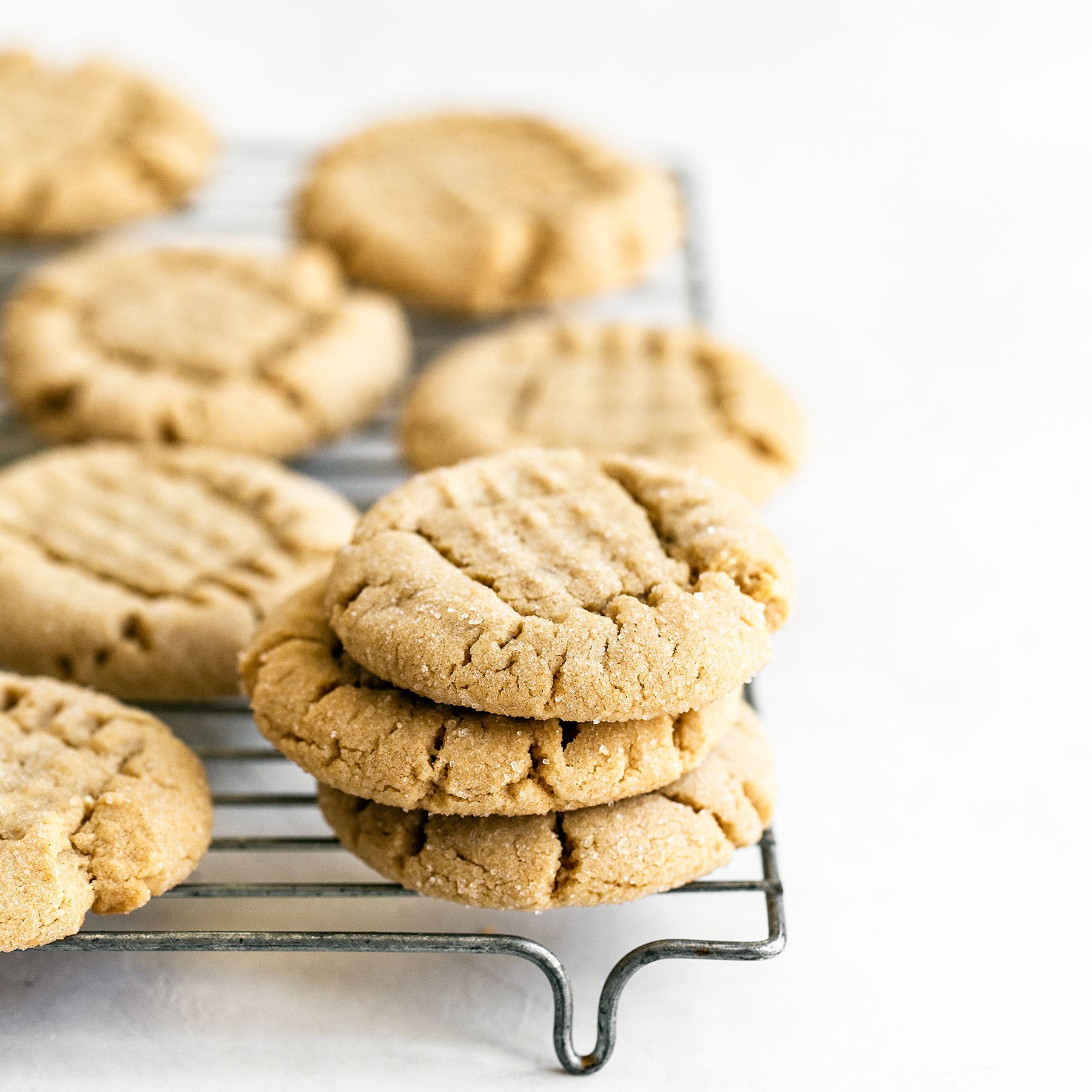
The signature crosshatch pattern on top of peanut butter cookies isn't just for aesthetics – it's a vital technique for achieving that ideal texture and even bake. Peanut butter cookie dough is notoriously dense. Without some form of flattening, the cookies wouldn't spread properly, resulting in thick, underbaked centers and unevenly cooked edges. The crosshatch provides the necessary surface area for the dough to expand uniformly in the oven.
While a fork is the traditional tool, there are other creative ways to make those marks, each offering a slightly different visual appeal and even influencing the cookie's texture:
*
The Classic Fork Method: Simple, effective, and timeless. Gently press the tines of a fork onto each cookie dough ball, first in one direction, then again perpendicular to the first, creating the iconic crisscross. Don't press too hard; just enough to flatten the dough slightly.
*
The Potato Masher Secret: For a uniquely raised, almost professional-looking crisscross, a potato masher is an ingenious tool. Its pattern creates a lovely texture, often leading to a crispier outer layer while maintaining a beautifully soft, chewy interior. It's a fantastic way to elevate your cookies visually and texturally. Dive deeper into this method and discover why it’s a game-changer in our dedicated article:
Potato Masher Secret: Crispy-Chewy Peanut Butter Cookies Revealed.
*
The Meat Mallet Alternative: If a potato masher isn't handy, the raised, textured side of a meat mallet can also create an interesting pattern. Experiment with different tools to find your favorite "signature mark"!
Once the marks are made, the baking itself demands precision. Over-baking is the primary culprit behind hard, dry peanut butter cookies. These cookies don't brown significantly on top, making visual cues for doneness a bit tricky:
*
Monitor the Edges: Keep a close eye on the edges of your cookies. They should just begin to turn a light golden brown, typically around the 10-minute mark, depending on your oven and cookie size.
*
Trust the Center: The centers of the cookies might still look a bit soft or even slightly underdone. This is perfectly normal and desired! They will continue to set and firm up as they cool due to residual heat. Pulling them out at this precise moment ensures they retain their moist, chewy interior.
*
The Crucial Cooling Phase: Resist the urge to move them immediately. Allow your cookies to rest on the hot baking sheet for 5-10 minutes after removing them from the oven. This crucial resting period allows them to continue baking gently and firm up enough to be transferred without breaking. After this, move them to a wire rack to cool completely. Patience here is key to preventing crumbling and achieving that perfect texture.
Smart Strategies for Storage and Make-Ahead Peanut Butter Cookie Bliss
Who doesn't love the convenience of having delicious homemade cookies ready to go? Peanut butter cookies are remarkably versatile when it comes to preparation and storage, making them an ideal treat for busy schedules or impromptu cravings.
*
Make-Ahead Cookie Dough: One of the best time-saving tricks is to prepare your cookie dough in advance. Roll the dough into individual balls, flatten them with your chosen marking tool, and then arrange them in a single layer on a parchment-lined baking sheet. Flash freeze them until firm, then transfer the frozen dough balls to a freezer-safe, resealable bag or airtight container. They'll keep beautifully for up to three months. When you're ready to bake, simply thaw the dough balls until they are just soft enough to make the marks (if you haven't already), place them on a baking sheet, and bake according to your
peanut butter cookies recipe instructions. For a deeper dive into this convenience, check out
The Easiest Make-Ahead Peanut Butter Cookie Recipe for Any Occasion.
*
Storing Baked Cookies: Once baked and completely cooled, store your peanut butter cookies in an airtight container at room temperature. They will remain wonderfully fresh and chewy for up to one week. To maintain maximum freshness, you can also place a slice of bread in the container; the cookies will absorb moisture from the bread, keeping them soft.
*
Freezing Baked Cookies: For longer storage, baked cookies can also be frozen. Arrange them in a single layer in an airtight container, separated by parchment paper to prevent sticking. They can be frozen for up to three months. Thaw them at room temperature for a quick, delicious treat anytime.
Essential Ingredients for Unbeatable Flavor and Texture
While our focus here isn't a full recipe, understanding the role of key ingredients in your
peanut butter cookies recipe will help you troubleshoot and achieve consistently perfect results. Beyond the crucial peanut butter, several other components contribute to that beloved texture and taste:
*
Butter: Softened, salted butter is essential. It provides richness, helps tenderize the dough, and contributes to the cookie's spread. Using softened butter ensures it creams properly with the sugars, creating air pockets for a lighter texture.
*
Sugars: The combination of light brown sugar and granulated sugar is key. Brown sugar adds moisture and chewiness due to its molasses content, while granulated sugar contributes to crispiness and spread. This duo creates the perfect balance of salty-sweet flavor and varied texture.
*
Honey: A secret weapon for many great
peanut butter cookies recipe! Just a couple of tablespoons of honey not only deepens the flavor profile with its subtle floral notes but also adds an extra layer of moisture and chewiness, making the cookies even more irresistible.
*
Egg & Vanilla Extract: The large egg acts as a binder, providing structure and moisture. Vanilla extract, while often subtle, enhances all the other flavors, giving the cookies a warm, inviting aroma.
*
All-Purpose Flour, Baking Soda, & Kosher Salt: These dry ingredients form the structural backbone. All-purpose flour provides the bulk, baking soda helps with leavening and spread, and kosher salt balances the sweetness and enhances the peanut butter flavor, bringing out its savory notes beautifully.
Mastering these elements transforms baking from a chore into a joyous experience. With these tips, you're not just following a
peanut butter cookies recipe; you're understanding the science and art behind creating a truly phenomenal cookie.
By following these expert tips, you're well on your way to baking peanut butter cookies that are perfectly crisp on the outside, wonderfully soft and chewy on the inside, and bursting with that classic, comforting peanut butter flavor. Say goodbye to crumbly messes and hard-as-rock disasters, and hello to a new era of cookie perfection. Happy baking!